Cultural Tapestry of Farewell: Social Fabrics and Cultural Customaries in India
Wiki Article
Within the vibrant subcontinental heritage of India, traditions associated with honoring an individual's passing reflect a deep commitment to social solidarity. In every corner of the subcontinent, the rites dedicated to paying final respects combine artistic beauty, historical reverence, and communal harmony. Moving beyond individual grief, these practices establish a lasting connection, reinforcing family bonds, strengthening neighborhood networks, and preserving ancestral etiquette. The quiet period immediately after a farewell are observed with attentive care and respect. Family members gather to perform traditional preparation rituals preserved within family lines. The individual is wrapped in pristine ceremonial textiles that reflect regional dress customs. In many traditions, classic white attire is selected, symbolizing quiet peace, dignity, and cultural simplicity. Within specific regional groups, traditional textiles featuring intricate patterns or specific cultural colors are used to mark a life full of accomplishment and honor. Fresh blossoms and natural garlands form a central element within these home observances. Artistically woven wreaths of sweet jasmine, brilliant marigolds, and fresh roses are layered gracefully upon the resting platform. These floral decorations are far more than aesthetic adornments; they represent the vibrant beauty of life and the honor bestowed by the family. The delicate use of natural sandalwood, rosewater, and native herbs ensures an environment of supreme dignity, freshness, and cultural charm. Among the most celebrated social features of these traditional farewells is the ceremonial procession leading from the home toward nature's resting site. Referred to as a collective march of respect, this communal journey unites the broader neighborhood in mutual support. Neighbors, extended relatives, and acquaintances gather in front of the family home, garbed in white garments of respect to demonstrate solidarity and visual harmony. The loved one rests upon a traditional litter made from natural bamboo, adorned with fresh green leaves, traditional woven textiles, and rich floral garlands. As the walk progresses toward the resting destination, participants share the responsibility of bearing the weight. Sharing this physical task stands as a powerful symbol of social unity, showing that the entire neighborhood shares the family's burden. Across numerous localities, soft rhythmic beats from local instruments or classic brass arrangements accompanies the procession, creating a rhythmic and dignified atmosphere that informs the local district of a completed life journey. India's immense cultural diversity manifests clearly in the local variations that mark each district's traditional customs. Even as mutual respect and community participation stay identical throughout, the visual and artistic details differ wonderfully from north to south, and east to west. After the main day of farewell, subcontinental tradition observes a dedicated period of domestic hosting, observed over nearly two weeks. During this timeframe, the family home becomes an open sanctuary for neighbors, extended family lines, and well-wishers who drop in to share comfort and honor the family. Serving visitors during these days is a cherished cultural duty. Simple, nutritious vegetarian meals are prepared daily in large quantities to feed visiting neighbors, family, and travelers. Sharing food in this manner encourages warm fellowship, provides an opportunity to recount cherished personal stories, while guaranteeing that the family receives active help and daily supplies from neighbors. The closing of the formal hosting phase features a generous community gathering. Family elders share stories of the individual's achievements, wisdom, and character traits, ensuring that their oral history is transmitted to younger generations. Selfless acts of service—such as donating clothing to community members, distributing food to those in need, or supporting local educational initiatives—are carried out to celebrate the person's legacy, strengthening societal support systems and charitable values.
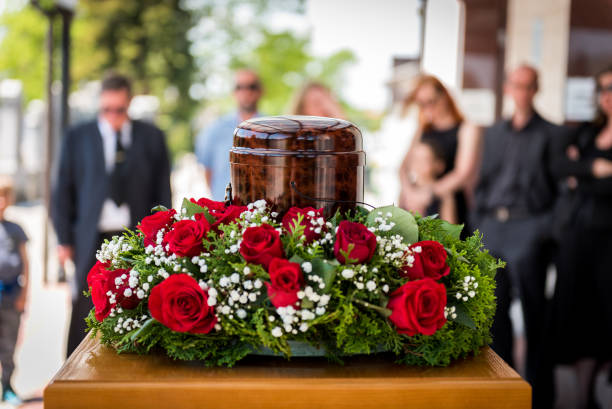
Kudlu Crematorium Families across India handle these dignified moments with a unique blend of communal togetherness and structured ritualism. From the vibrant rural villages to the bustling urban centers, the active participation of the surrounding community underpins every step of the cultural farewell. These time-honored practices offer a meaningful space allowing society to express gratitude, care for grieving households, and pass on oral histories.
The Aesthetics of Preparation and Family Devotion
Processions of Honor: Community Unity
Aspect
Primary Material
Cultural Significance
Attire
Simple White Cotton Garments
Reflects modest dignity and visual harmony.
Carrying Litter
Handcrafted Local Bamboo
Shows natural elegance and traditional utility.
Wreaths
Native Sweet Blossoms
Represents honor, aesthetic beauty, and respect.
Natural Essences
Herbal Extracts and Rose Oils
Ensures sensory grace and natural care.
Regional Variations and Cultural Diversity
Sumanahalli Crematorium No matter if the community practices gentle earthen burial or ceremonial fire rites, the emphasis stays firmly placed on cultural values of restoring balance with the surrounding natural world through practices that prioritize environmental respect and cultural grace.
Hospitality, Remembrance, and Social Continuity
Final Reflections: Honor, Artistry, and Unity
Harishchandra Ghat Electric Crematorium The funeral customs of India offer a rich tapestry in community togetherness, textile art, and social respect. By handling personal farewells with public grace and communal support, these customs prove the enduring value of shared hospitality and tradition. Through beautiful floral arrangements, white-clad processions, regional artistry, and generous hospitality, Indian culture honors the journey of the individual while building stronger, more united neighborhoods for the future.